


Concrete Repair in DFW: When to Fix It, How It's Done & What It Costs in North Texas
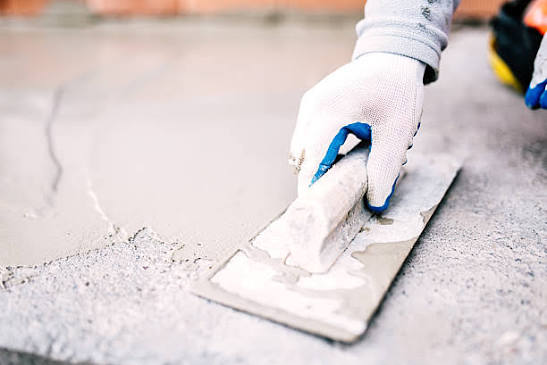
Concrete doesn't fail all at once. It gives you signals — hairline cracks that widen slowly, a section that's starting to tilt, a surface that's flaking at the edges, a joint that's opened up after a wet spring. Most DFW homeowners notice these signs and face the same question: is this something that needs to be fixed now, or can it wait? And when it does need to be fixed, is a repair the right answer — or does it need to be replaced entirely?
In the Dallas-Fort Worth area, concrete repair is one of the most requested services homeowners call about — because the North Texas climate is genuinely hard on concrete. Triple-digit summers, occasional hard freezes, heavy spring rains, and the expansive clay soil beneath virtually every property in Fort Worth, Keller, Southlake, and Colleyville all work constantly against outdoor concrete. Understanding what's happening when your concrete shows damage — and what the right response is — is some of the most practical information a DFW homeowner can have.
This guide covers when concrete repair is the right call, the types of repair available for DFW homeowners, what the repair process involves, and what it realistically costs in North Texas in 2025.
Why Concrete Gets Damaged in DFW: Understanding the Root Causes
Before choosing a repair approach, it's worth understanding why the damage happened. In North Texas, concrete damage almost always traces back to one of a handful of root causes — and addressing the symptom without understanding the cause leads to repairs that fail again in the same place.
Expansive Clay Soil MovementThis is the primary cause of concrete damage across the DFW area. The Houston Black and Tolar clay soils beneath Fort Worth, Keller, Southlake, and Colleyville expand measurably when they absorb moisture and contract significantly during dry periods. This constant movement exerts pressure against the underside of any concrete slab — lifting sections during wet periods, withdrawing support during drought. Cracks, uneven sections, and heaved panels in DFW concrete almost always trace back to soil movement, either from the natural moisture cycle or from localized water source issues like irrigation systems, plumbing leaks, or drainage problems.
Tree Root IntrusionIn neighborhoods with mature trees — Arlington Heights, Tanglewood, Colleyville's tree-canopied streets — lateral root growth beneath concrete surfaces is a major cause of cracking and heaving. Tree roots seeking moisture will grow under driveways, walkways, and patios, lifting the slab from below with surprising force. Repairing concrete that has been lifted by roots without addressing the root system is a repair that will fail again.
Freeze-Thaw CyclesWhile North Texas winters are mild compared to northern states, DFW does experience hard freeze events — sometimes multiple times in a given winter. Water that has entered concrete cracks expands by approximately 9% when it freezes, applying outward pressure that widens the crack from within. Over time, this freeze-thaw action accelerates crack growth and can cause surface spalling where the top layer of concrete flakes away.
Inadequate Original InstallationMany DFW homeowners are dealing with concrete that was installed without adequate base preparation, insufficient reinforcement, or improper control joint placement. These installation shortcuts don't show up immediately — but after five to ten years, they show up predictably through cracking, shifting, and surface failure.
Age and Normal WearConcrete has a finite service life. In DFW conditions, properly installed concrete driveways and patios typically last 25 to 40 years. Toward the end of that window, surface wear, accumulated small cracks, and the effects of decades of soil movement and thermal cycling become visible. At some point, repair is no longer the right answer and full replacement makes better economic sense.
Types of Concrete Damage and the Right Repair Response
Not all concrete damage is the same — and the right repair approach depends entirely on what type of damage you have and what's causing it.
Hairline Cracks (Under 1/8 inch wide)Hairline cracks are the most common concrete issue DFW homeowners notice — and the least urgent. Small surface cracks that don't go through the full depth of the slab and show no vertical displacement between sides are primarily cosmetic. They become a problem when left unsealed because they allow water to enter the slab and accelerate the damage cycle over time.
The right repair: Clean the crack with compressed air or a wire brush. Fill with a flexible polyurethane concrete caulk — self-leveling for horizontal surfaces. Re-examine annually. This is a manageable DIY maintenance task.
Moderate Cracks (1/8 to 1/4 inch wide)Cracks in this range warrant closer attention. They may indicate the beginning of structural movement beneath the slab, and they're wide enough for water to enter easily and for weed growth to start. If the crack is accompanied by any vertical displacement — one side of the crack higher than the other — that's a sign of soil movement beneath the slab.
The right repair: Professional assessment to determine whether the crack is active (still growing) or stable, and whether there's underlying soil movement to address. Cracks in this range can be filled with polyurethane caulk if stable, but the cause should be understood before the repair is made.
Wide Cracks and Panel Displacement (Over 1/4 inch wide)Cracks wider than a quarter inch — especially with vertical displacement between panels — indicate structural movement that crack filler alone cannot address. The underlying soil problem needs to be evaluated and managed before surface repair makes sense.
The right repair: Professional evaluation of soil conditions beneath the slab. Depending on findings, options range from mudjacking or foam injection to raise and re-level settled panels, to panel replacement where individual sections are cut out and replaced, to full slab replacement where soil movement has been widespread.
Spalling and Surface ScalingSpalling is when the top layer of concrete flakes, chips, or breaks away — leaving a rough, pitted surface that continues to deteriorate. In DFW, spalling is commonly caused by freeze-thaw action on concrete that wasn't properly sealed, by deicing chemicals applied during winter events, or by poor curing during the original pour that left the surface layer weaker than the concrete below.
The right repair: Surface spalling on an otherwise sound slab can be addressed with concrete resurfacing — applying a thin polymer-modified overlay that bonds to the existing concrete and creates a new, durable surface. Spalling that extends deep into the slab, or that's accompanied by structural cracking, typically indicates the slab has reached end-of-life.
Heaving and Uneven SectionsWhen one section of a driveway, patio, or walkway has risen above adjacent sections, the cause is almost always soil movement — either swelling clay pushing up from below, or tree roots lifting the slab. Uneven sections create trip hazards and accelerate damage at the joint between displaced panels.
The right repair: Minor displacement of less than 1 inch can sometimes be addressed through grinding — reducing the high edge to minimize the trip hazard. More significant displacement requires either raising the sunken section through foam injection or mudjacking, or removing and replacing the displaced panel after addressing the soil condition causing the movement.
Crumbling EdgesThe edges of a concrete slab are always the most vulnerable — they're exposed on three sides and receive less structural support from adjacent concrete. Crumbling or broken edges indicate the slab is under stress that will propagate inward over time.
The right repair: Edge breakage on an otherwise sound slab can be addressed with concrete edge restoration using epoxy-modified repair mortars. Widespread edge crumbling across multiple sections is typically a sign the slab has reached end-of-life.
Concrete Repair Process: What to Expect
AssessmentEvery quality concrete repair begins with a thorough assessment — not just looking at the surface, but evaluating what's happening beneath it. In DFW, this means checking for signs of soil movement, drainage problems, tree root activity, and any other root causes that will affect whether a repair holds.
A reputable DFW concrete contractor will walk the entire affected area, probe the subgrade through any accessible joints or cracks, and give you an honest recommendation — repair, overlay, or replacement — based on what they actually find. Be cautious of contractors who recommend full replacement for everything without bothering to assess the slab, and equally cautious of contractors who recommend simple patching for damage that clearly has a structural cause.
Surface PreparationConcrete repairs only hold as long as the bond between the repair material and the existing concrete. Surface preparation is what creates that bond. Proper preparation involves:
- Cleaning all loose material, dirt, oil, and debris from the repair area
- Grinding or saw-cutting edges of the repair area to create clean, sound bonding surfaces
- Blowing out dust and debris with compressed air
- Allowing the surface to dry completely before applying repair material
Repair Material SelectionThe right repair material depends on the type of damage being addressed:
- Narrow cracks: Flexible polyurethane caulk — self-leveling for horizontal joints, non-sag for vertical
- Spalled or scaled surfaces: Polymer-modified cementitious overlay
- Structural patch (panel replacement): New concrete pour with reinforcement and proper base preparation
- Slab lifting: Polyurethane foam injection or cementitious slurry (mudjacking)
Curing the RepairRepair materials need appropriate curing time before they're loaded with traffic or weather exposure. Quick-setting repair mortars can accept foot traffic within hours, but vehicle traffic should wait for the full cure time specified by the material manufacturer. Applying sealer over fresh repair material too early reduces adhesion.
Concrete Repair Cost in DFW (2025)
Repair costs vary widely based on the type and extent of damage. Here's a realistic guide for DFW homeowners:
Crack sealing and joint resealing:
- DIY crack filler materials: $20 to $80 for residential-scale products
- Professional crack sealing (per linear foot): $3 to $8 per linear foot
- Full driveway joint resealing: $300 to $800 for a typical two-car driveway
Spalling surface repair and patching:
- Small patch areas (under 10 sq ft): $150 to $400 per patch professionally repaired
- Widespread surface resurfacing: see concrete overlay pricing below
Panel replacement (cutting out and replacing individual slab sections):
- $6 to $14 per square foot including demolition of the damaged panel and new pour
- A typical single panel replacement (approximately 4 ft x 8 ft): $192 to $448
Slab lifting (foam injection or mudjacking):
- Polyurethane foam injection: $3 to $25 per square foot depending on lift required
- Mudjacking (cementitious slurry): $3 to $6 per square foot
- Typical driveway slab lifting project: $800 to $3,000 depending on scope
Full concrete repair assessment and project:
- Most professional concrete repair projects for DFW homeowners: $500 to $4,000 depending on scope
- Extensive panel replacement across a significant portion of a driveway: $2,000 to $8,000+
When Repair Is the Right Answer vs. When to Replace
The decision between repair and replacement is the most important call in any DFW concrete damage situation. Here's a clear framework:
Repair when:
- Damage is isolated to specific cracks, joints, or small areas
- The overall slab is level and structurally sound
- The cause of damage is identified and addressable
- The slab is under 20 years old and was properly installed
- The repair cost is less than 30 to 40 percent of full replacement cost
Replace when:
- Cracks are widespread across the majority of the slab surface
- Multiple sections have vertical displacement
- The slab is heaving or sinking across large areas
- Surface deterioration extends deep into the concrete rather than being superficial
- The slab is 25 or more years old with extensive visible damage
- The root cause of damage (typically soil instability) cannot be adequately addressed through repair
CBD Concrete: Concrete Repair Services Across DFW
CBD Concrete is a locally owned, family-operated concrete contractor serving Fort Worth, Keller, Southlake, Colleyville, and the greater Dallas-Fort Worth Metroplex. Owner Dane provides honest, site-specific assessments of damaged concrete — recommending repair when it's the right call, and replacement when the slab has genuinely reached end-of-life.
CBD Concrete's concrete repair services include:
- Crack sealing and control joint resealing
- Panel replacement for sections with structural damage
- Surface restoration for spalled or scaled concrete
- Full assessment of damaged driveways, patios, and flatwork with written recommendations
Every repair assessment is provided free of charge with no pressure toward any particular solution — just an honest reading of what the concrete actually needs.

If you have cracked, damaged, or deteriorating concrete in Fort Worth, Keller, Southlake, Colleyville, or anywhere in the DFW area — CBD Concrete will come out, assess the damage, and give you a straight recommendation on the right approach. Free quote, no pressure.
Get Your Free Concrete Repair Assessment → cbdconcrete.com/contact


.svg)
.svg)