


Cracked Concrete in DFW? Here's How to Know If You Need Repair, Resurfacing, or Full Replacement
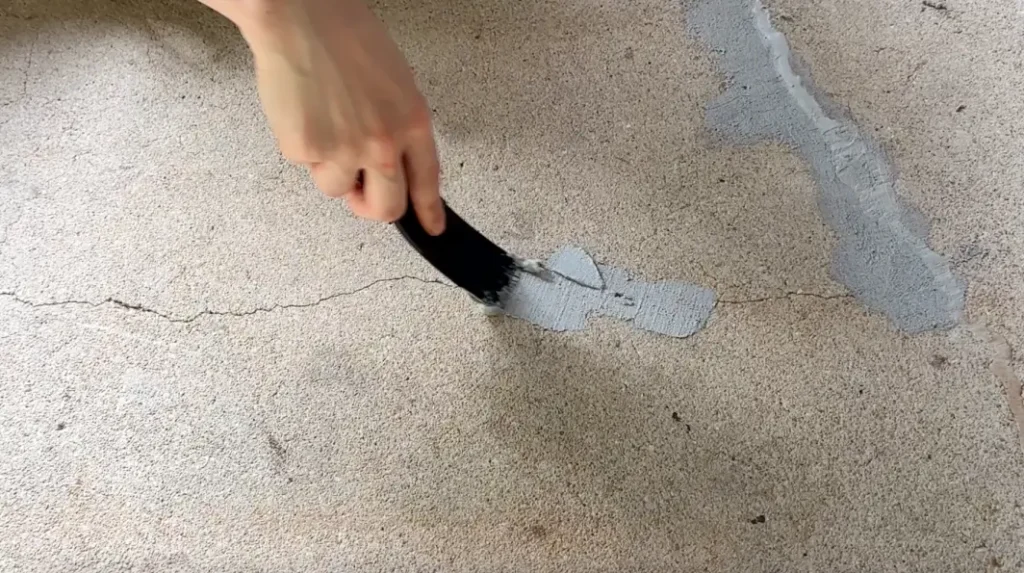
You walk outside one morning and notice it — a crack running across your driveway. Or maybe your patio has been looking rough for a while, with surface flaking, staining, and a section that's starting to shift. The immediate question most DFW homeowners ask is the same one every time: Do I need to fix this, resurface it, or just tear the whole thing out and start over?
It's the right question to ask, and the honest answer is: it depends on the damage. Concrete repair, resurfacing with an overlay, and full replacement are three very different solutions — and choosing the wrong one either leaves money on the table or wastes it entirely. This guide breaks down exactly what each option involves, what the warning signs are for each, and what it will cost DFW homeowners in 2025.
Why Concrete Gets Damaged in DFW Faster Than Most Places
Before getting into solutions, it helps to understand why concrete cracks and deteriorates in the Dallas-Fort Worth area in the first place. North Texas is genuinely one of the toughest environments in the country for outdoor concrete — and most homeowners don't fully appreciate why until they're staring at a cracked slab.
Expansive clay soil is the number one culprit. The DFW area — Fort Worth, Keller, Southlake, Colleyville, and surrounding cities — sits on clay-heavy soil that absorbs water and swells dramatically after heavy rain, then shrinks and contracts during dry spells. This constant movement pushes up against the bottom of your concrete slab, causes uneven settling, and creates cracks from below. It doesn't matter how good the concrete is on the surface — if the soil underneath is moving, the slab eventually follows.
Texas heat and temperature swings compound the problem. Summer temperatures in DFW regularly exceed 100°F, causing concrete to expand. When a storm rolls through and temperatures drop quickly, that rapid contraction creates stress that works its way into cracks over time. North Texas also sees occasional hard freezes — and when water gets into existing cracks and freezes overnight, it expands and widens those cracks from the inside.
Age and deferred maintenance play a role too. Concrete sealed and maintained regularly will outlast concrete that's been left alone by a decade or more. In the DFW climate, skipping sealing cycles accelerates surface deterioration faster than it would in more temperate climates.
The point is this: cracked or damaged concrete in Fort Worth and surrounding DFW communities isn't a sign of a bad pour — it's often just North Texas doing what North Texas does. The good news is that most damage is fixable. The key is knowing which fix is right.
Option 1: Concrete Repair — When Small Problems Get Addressed Early
Concrete repair is the right choice when the damage is localized, relatively minor, and the underlying structural integrity of the slab is still sound. Think of it as targeted intervention — addressing specific problem areas without disturbing the rest of the surface.
Concrete repair is typically the right call when:
- You have hairline cracks or cracks narrower than 1/4 inch that aren't spreading rapidly
- A small section has chipped, spalled, or broken at the edge
- You have isolated joint failure where the sealant between sections has deteriorated
- The overall slab is solid and level — only a specific area has a problem
What concrete repair typically involves:
A professional will clean out the damaged area, assess whether the crack is structural or surface-level, apply the appropriate filler or patching compound, and finish to blend with the existing surface. Control joints may be resealed. In some cases, partial slab replacement — removing and replacing individual panels — is the best repair approach when damage in one section is too severe for patching but the surrounding concrete is still good.
What concrete repair costs in DFW:
Concrete repair costs vary widely depending on the extent and location of damage, but most homeowners in the Fort Worth area spend between $1,500 and $5,000 for professional concrete repair. Small crack filling on limited sections comes in at the lower end. Panel replacement and more extensive patching work pushes toward the higher end.
The most important thing to know about concrete repair: It only works if the underlying cause of the damage is addressed. In DFW, that usually means soil movement. If the ground under your slab is continuing to shift, the same cracks will reappear. A good contractor will assess not just the surface but what's happening beneath it.
Option 2: Concrete Resurfacing & Overlays — A Fresh Surface Without the Cost of Replacement
Concrete resurfacing, also called a concrete overlay, is one of the smartest and most cost-effective options available to DFW homeowners whose concrete is structurally sound but looks terrible on the surface.
Here's how it works: a thin layer of polymer-modified concrete material is applied over the existing slab, bonding to it and creating an entirely new surface. The result looks like freshly poured concrete — or, if you choose a decorative option, like stamped stone, brick, or textured patterns — at a fraction of the cost of full replacement.
Concrete resurfacing is the right call when:
- The slab is structurally solid — no major heaving, settling, or widespread cracking through the full depth
- The surface has cosmetic issues: discoloration, surface spalling, fading, staining, minor hairline cracking
- You want to upgrade the appearance of your concrete without the cost and disruption of a full tear-out
- You want a decorative finish — stamped patterns, color, texture — on an existing slab
What concrete resurfacing costs in DFW:
- Basic overlay (plain finish): $3 to $7 per square foot
- Decorative overlay with color or texture: $6 to $10 per square foot
- Stamped concrete overlay: $8 to $12+ per square foot
- Average total project cost for a resurfaced driveway: $1,200 to $2,900
- Average total cost for a resurfaced patio: $1,000 to $5,000+ depending on size and finish
Resurfacing is typically 30 to 50 percent less expensive than full replacement — and it's completed in days rather than weeks. A professionally resurfaced concrete surface lasts 8 to 15 years with proper care, and up to 20 years with regular sealing and maintenance.
When resurfacing won't work:
Concrete resurfacing is a surface solution — it only works when the base concrete is structurally sound. If your slab has deep cracks that go through the full thickness, significant heaving or settling, or sections that are crumbling, a resurfacing overlay will crack and fail in the same locations. The overlay bonds to the old concrete, and if the old concrete is shifting, the new surface shifts with it.
CBD Concrete offers concrete overlays as a dedicated service for DFW homeowners looking to upgrade worn surfaces — driveways, patios, walkways, and more — without the full cost of replacement.
Option 3: Full Concrete Replacement — When Starting Fresh Is the Right Move
Sometimes, the honest answer is that the concrete is beyond saving. Full replacement — tearing out the existing slab and pouring new concrete — is the right solution when the damage is structural, widespread, or the root cause of the problem can't be fixed any other way.
Full concrete replacement is the right call when:
- Cracks are wider than 1/4 inch, go through the full depth of the slab, or are spreading across large portions of the surface
- Sections of concrete are heaving, sinking, or significantly uneven — more than 1 inch of height difference between panels
- The concrete is crumbling, deeply spalling, or deteriorating at the structural level
- The slab is 25 to 30+ years old and has reached the end of its functional life
- There are drainage problems that require re-grading the site — which can only be done with a full pour
- You want to take the opportunity to upgrade the size, layout, or finish of your concrete
What full concrete replacement costs in DFW:
Full replacement costs more upfront, but when the concrete is truly at the end of its life, it's the smarter long-term investment.
- Standard concrete replacement: $6 to $11 per square foot (reinforced)
- Decorative or stamped concrete replacement: $11 to $18 per square foot
- Demolition and removal of existing concrete: add $1.10 to $2.20 per square foot
- A complete driveway replacement in Fort Worth typically runs: $3,500 to $12,000+ depending on size and finish
- A full patio replacement: $2,300 to $8,000+ depending on size
Full replacement also gives you the opportunity to address the root cause — improving the base, correcting drainage, adding proper reinforcement — in a way that resurfacing and patching simply can't.
The Decision Framework: Repair, Resurface, or Replace?
Not sure which option applies to your situation? Here's a simple way to think through it:
Repair if:Your slab is solid and level overall, but has specific cracked, chipped, or deteriorated spots. The damage is isolated and the cause is not ongoing soil movement.
Resurface if:Your slab is structurally sound and level but looks worn, faded, stained, or has minor surface cracking. You want a like-new or upgraded appearance without the disruption of a full replacement.
Replace if:Your slab is heaving, sinking, crumbling, or has cracks through the full depth across large areas. The concrete is old and has reached end-of-life. You need to re-grade or re-size the project.
When in doubt, get a professional assessment. The surface appearance of concrete can be misleading — what looks like a surface crack sometimes goes deeper, and what looks like a major problem is sometimes a purely cosmetic issue on a solid slab. A qualified concrete contractor in DFW can evaluate the actual condition and give you an honest recommendation.
5 Warning Signs Your DFW Concrete Needs Attention Now
Don't wait until small problems become expensive ones. Here are five signs DFW homeowners should watch for:
1. Cracks wider than a quarter inch. Hairline cracks are normal and manageable. Cracks a quarter inch wide or wider — especially ones that are growing — signal structural movement that needs professional evaluation.
2. Uneven sections or trip hazards. If one panel of your driveway or walkway has risen or sunk relative to its neighbor, the soil beneath has shifted. This is both a safety hazard and a sign the problem will worsen without intervention.
3. Pooling water on the surface. Concrete should drain water away, not collect it. Standing water on your driveway or patio means improper slope — which accelerates deterioration and puts your foundation at risk.
4. Surface spalling or flaking. When the top layer of concrete peels, chips, or flakes away, it exposes the aggregate underneath and allows water to penetrate the slab. In North Texas, water in the slab followed by heat or freeze cycles accelerates damage rapidly.
5. Crumbling edges. The edges of a concrete slab are always the most vulnerable. If your driveway edges are crumbling or breaking off, the surrounding slab is likely under stress that will spread inward over time.
CBD Concrete: Repair, Overlay, and Replacement Services Across DFW
CBD Concrete is a locally owned, family-operated concrete contractor serving Fort Worth, Keller, Southlake, Colleyville, and the greater Dallas-Fort Worth Metroplex. Owner Dane and his in-house crew handle every concrete repair, overlay, and replacement project personally — no subcontractors, no hand-offs.
CBD Concrete offers:
- Concrete repair — crack filling, panel replacement, joint resealing, and patching for driveways, patios, and walkways
- Concrete overlays — resurfacing worn surfaces with durable, attractive overlays including decorative and stamped finishes
- Full concrete replacement — complete tear-out and replacement with proper base prep, reinforcement, and finishing for any concrete surface in DFW
Every project starts with an honest assessment of what your concrete actually needs — not the most expensive solution, but the right one.

If you have cracked, damaged, or worn-out concrete in Fort Worth, Keller, Southlake, Colleyville, or anywhere in the DFW Metroplex, CBD Concrete will come out, assess the situation, and give you a straight answer on whether repair, resurfacing, or replacement is the right call — along with a free, detailed quote.


.svg)
.svg)